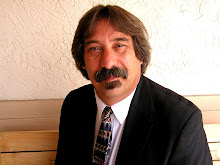
The link will take you to my interview with Rabbi Lau, former Chief Rabbi of Israel. Rabbi Lau talks about his life as a survivor of the Shoah.
Showing posts with label The Flame Society. Show all posts
Showing posts with label The Flame Society. Show all posts
Monday, April 6, 2015
Interview With Rabbi Lau, Chief Rabbi of Israel
The link will take you to my interview with Rabbi Lau, former Chief Rabbi of Israel. Rabbi Lau talks about his life as a survivor of the Shoah.

Monday, May 14, 2012
A Review of "The Horse Adjutant"

Monday, January 23, 2012
HOLOCAUST RESPONSA
There are currently two collections of Holocaust response available in English. Respona are questions of Jewish law (Halacha) that are submitted to a rabbi- responsa, the response, is the answer to the question. Rabbi Ephraim Oshry, himself a survivor, edited and translated questions that he received in the ghetto of Kovno, Lithuania. His volume is titled Responsa from the Holocaust. The second collection, Rabbinic Responsa from the Holocaust, was edited and translated by Robert Kirschner. This volume contains both responsa from the Holocaust as well as questions that deal with the aftermath of the war as well. Both authors are to be thanked for these important contributions that provide insights into the religious life, bravery, and faith of those who lived and died in the Holocaust.
While these responsa are available in English for the first time, two questions remain: Will people read them and, if they do, what will they understand to be the real message for their own lives? I am unable to answer the first question but I do feel compelled to attempt an answer for the second.
As a Jew I feel obligated to read these volumes carefully. As a human being I feel obligated to read them again. As a rabbi and teacher I feel that I should urge others to read them as well.
I think most readers will immediately perceive (at least to some degree) the human suffering that the responsa reflect, but I think many readers will react by finding the idea behind the responsa completely incredible. Under such circumstances how could anyone be “bothered” to ask a rabbi about ritual and religious obligations? When the world was falling down around them how they could be concerned with minor points of Halacha.
My first answer was “faith.” Yet, as I thought about it, I felt that an appeal to faith was an incomplete answer. Also I knew that a faith that was that strong was something that would demand explanation. How could “faith” serve as an explanation to those who could not imagine a situation in which that faith was the only possession left?
I offer these thoughts in order to share another path toward understanding and teaching these responsa to American Jews. It should be no surprise that I found the answer in the writings of a survivor, Dr. Viktor Frankl. A psychiatrist who survived Auschwitz, Frankl emerged from the Holocaust to found a new school of psychotherapy which he called Logotherapy. Frankl approach stressed the need for meaning in life. From his experience in Auschwitz Frankl made the claim that the individual can endure anything in life and overcome anything in life if, and only if, life itself has meaning. Freud would have predicted that, deprived of food, freedom, and even life itself, any person would abandon “normal” behavior and would do anything to stay alive. The attitude to life demonstrated in the response proves that Frankl’s “will to meaning” was stronger than Freud’s “will to pleasure.” Moreover, it provides us with a key to understanding the responsa as a struggle to maintain meaning through the observance of Jewish law. That key is the concept of “meaning” in Frankl’s sense of the word. Meaning is this sense of purpose in life, a goal higher than life itself.
Those who suffered during the Holocaust were denied everything that we would, under normal circumstances, consider to be meaningful. Every loved one, every possession, every bit of self-worth was robbed by the Nazis. These brave Jewish souls refused to surrender the very meaning of their existence. That meaning was rooted in the observance of Judaism and it stood firm and unyielding even in the face of a planned extinction. The Jewish soul refused to say that life was meaningless, that purpose and hope had been extinguished in the ovens of Auschwitz.
Perhaps the greatest problem confronting the reader of these response is the challenge to understand how and why a person robbed of all but his last breath would inquire into the status of wet matza or the use of tephillan that had not been checked by a scribe. These are the questions asked within these pages that explain why Jewish prisoners could survive with a purpose that could not be destroyed. As long as one could live as a Jew, even in the most unimaginable of conditions, life was ultimately meaningful and, therefore, worth living.
In his work Rabbi Oshry notes that only three cases of suicide occurred in the ghetto of Kovno. Only three Jews were truly conquered by the Nazis by admitting that life had lost meaning and, in Frankl’s terms, was no longer worth living.
We must read the Holocaust responsa not “simply” as documents attesting to punctilious observance of Jewish law (although that in it would be heroic.) Nor can we be satisfied to say that their faith was greater than our (although, no doubt, it was.) It was not the faith but the meaning of that faith that made the difference. There is an important lesson about survival that should not go unnoted. We stand silent trying to understand how anyone survived. We are at a loss to understand the suffering or the miracle of survival. One thing that we can do is to understand that at least one of the keys to survival was the finding of meaning even in a life that might, at any moment, end. Every survivor is a brave soldier who, in the end, defeated Hitler.
We must teach the facts of the Holocaust, but we must also try, in whatever small inadequate way, to explain what it all means. We must not only be shocked, appalled, and angry at the suffering of our people but we must also be inspired by the lives of those who stood against the Nazis without giving in to despair. We can never forget that Jews died because they were Jews, but we should never forget those who survived because they were Jews.
If we read the responsa as documents of meaning we begin to see a new definition of Jewish resistance. So often it is asked, “Why didn’t they fight back?” The truth is that they did fight back. Those who sought to continue living according to Jewish law were fighting back on the battlefield of life’s basic meaning and worth.
It was because of the meaning that life retained that so many survived conditions that would make death a blessing. The Holocaust responsa are treasures not only for what they teach about the Holocaust or about Jewish law. Their real worth is to be measured in what they teach us about what it “means” to be Jewish.
This article first appeared in the South Florida Jewish Journal
There are currently two collections of Holocaust response available in English. Respona are questions of Jewish law (Halacha) that are submitted to a rabbi- responsa, the response, is the answer to the question. Rabbi Ephraim Oshry, himself a survivor, edited and translated questions that he received in the ghetto of Kovno, Lithuania. His volume is titled Responsa from the Holocaust. The second collection, Rabbinic Responsa from the Holocaust, was edited and translated by Robert Kirschner. This volume contains both responsa from the Holocaust as well as questions that deal with the aftermath of the war as well. Both authors are to be thanked for these important contributions that provide insights into the religious life, bravery, and faith of those who lived and died in the Holocaust.
While these responsa are available in English for the first time, two questions remain: Will people read them and, if they do, what will they understand to be the real message for their own lives? I am unable to answer the first question but I do feel compelled to attempt an answer for the second.
As a Jew I feel obligated to read these volumes carefully. As a human being I feel obligated to read them again. As a rabbi and teacher I feel that I should urge others to read them as well.
I think most readers will immediately perceive (at least to some degree) the human suffering that the responsa reflect, but I think many readers will react by finding the idea behind the responsa completely incredible. Under such circumstances how could anyone be “bothered” to ask a rabbi about ritual and religious obligations? When the world was falling down around them how they could be concerned with minor points of Halacha.
My first answer was “faith.” Yet, as I thought about it, I felt that an appeal to faith was an incomplete answer. Also I knew that a faith that was that strong was something that would demand explanation. How could “faith” serve as an explanation to those who could not imagine a situation in which that faith was the only possession left?
I offer these thoughts in order to share another path toward understanding and teaching these responsa to American Jews. It should be no surprise that I found the answer in the writings of a survivor, Dr. Viktor Frankl. A psychiatrist who survived Auschwitz, Frankl emerged from the Holocaust to found a new school of psychotherapy which he called Logotherapy. Frankl approach stressed the need for meaning in life. From his experience in Auschwitz Frankl made the claim that the individual can endure anything in life and overcome anything in life if, and only if, life itself has meaning. Freud would have predicted that, deprived of food, freedom, and even life itself, any person would abandon “normal” behavior and would do anything to stay alive. The attitude to life demonstrated in the response proves that Frankl’s “will to meaning” was stronger than Freud’s “will to pleasure.” Moreover, it provides us with a key to understanding the responsa as a struggle to maintain meaning through the observance of Jewish law. That key is the concept of “meaning” in Frankl’s sense of the word. Meaning is this sense of purpose in life, a goal higher than life itself.
Those who suffered during the Holocaust were denied everything that we would, under normal circumstances, consider to be meaningful. Every loved one, every possession, every bit of self-worth was robbed by the Nazis. These brave Jewish souls refused to surrender the very meaning of their existence. That meaning was rooted in the observance of Judaism and it stood firm and unyielding even in the face of a planned extinction. The Jewish soul refused to say that life was meaningless, that purpose and hope had been extinguished in the ovens of Auschwitz.
Perhaps the greatest problem confronting the reader of these response is the challenge to understand how and why a person robbed of all but his last breath would inquire into the status of wet matza or the use of tephillan that had not been checked by a scribe. These are the questions asked within these pages that explain why Jewish prisoners could survive with a purpose that could not be destroyed. As long as one could live as a Jew, even in the most unimaginable of conditions, life was ultimately meaningful and, therefore, worth living.
In his work Rabbi Oshry notes that only three cases of suicide occurred in the ghetto of Kovno. Only three Jews were truly conquered by the Nazis by admitting that life had lost meaning and, in Frankl’s terms, was no longer worth living.
We must read the Holocaust responsa not “simply” as documents attesting to punctilious observance of Jewish law (although that in it would be heroic.) Nor can we be satisfied to say that their faith was greater than our (although, no doubt, it was.) It was not the faith but the meaning of that faith that made the difference. There is an important lesson about survival that should not go unnoted. We stand silent trying to understand how anyone survived. We are at a loss to understand the suffering or the miracle of survival. One thing that we can do is to understand that at least one of the keys to survival was the finding of meaning even in a life that might, at any moment, end. Every survivor is a brave soldier who, in the end, defeated Hitler.
We must teach the facts of the Holocaust, but we must also try, in whatever small inadequate way, to explain what it all means. We must not only be shocked, appalled, and angry at the suffering of our people but we must also be inspired by the lives of those who stood against the Nazis without giving in to despair. We can never forget that Jews died because they were Jews, but we should never forget those who survived because they were Jews.
If we read the responsa as documents of meaning we begin to see a new definition of Jewish resistance. So often it is asked, “Why didn’t they fight back?” The truth is that they did fight back. Those who sought to continue living according to Jewish law were fighting back on the battlefield of life’s basic meaning and worth.
It was because of the meaning that life retained that so many survived conditions that would make death a blessing. The Holocaust responsa are treasures not only for what they teach about the Holocaust or about Jewish law. Their real worth is to be measured in what they teach us about what it “means” to be Jewish.
This article first appeared in the South Florida Jewish Journal
Subscribe to:
Posts (Atom)